BMW BMW i7 xDrive60 vs Xiaomi SU7 Ultra: Which EV is better?
Head-to-head: BMW BMW i7 xDrive60 vs Xiaomi SU7 Ultra. Compare real range, efficiency, charging time, price, rating and running costs to find the best electric vehicle for you in 2026.
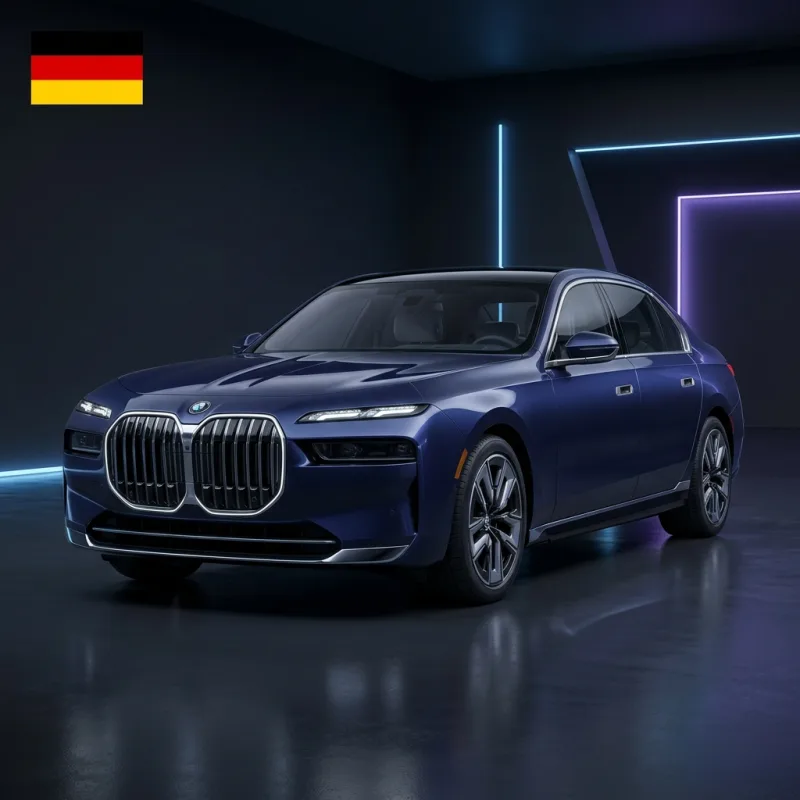
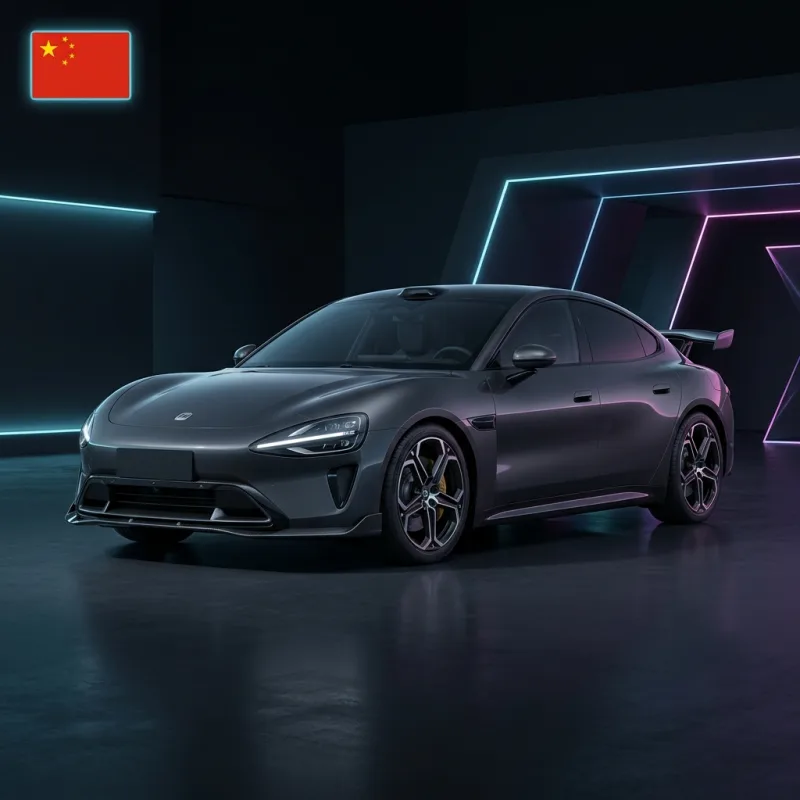
Our verdict
Xiaomi SU7 Ultra wins this head-to-head
It wins 5 of 8 categories compared below, with a margin of 3 category wins.
The numbers that matter
Real, comparable stats from our database. The green value wins each category.
| Specification | BMW i7 xDrive60 | SU7 Ultra |
|---|---|---|
| Range SU7 Ultra wins | 625 km | 630 km |
| Battery BMW i7 xDrive60 wins | 101.7 kWh | 93.7 kWh |
| Efficiency BMW i7 xDrive60 wins | 16.3 kWh/100km | 16.4 kWh/100km |
| 0-100 km/h SU7 Ultra wins | 4.5 s | 1.98 s |
| Fast charge 10-80% SU7 Ultra wins | ~34 min | ~25 min |
| Seats tie | 5 | 5 |
| Price SU7 Ultra wins | $105,700 | $82,400 |
| Rating SU7 Ultra wins | 4.7 / 5 | 4.8 / 5 |
| Est. running cost / yr | $367/yr | $369/yr |
View the full specification sheet
| Specification | BMW i7 xDrive60 | SU7 Ultra |
|---|---|---|
| Battery | 101.7 kWh usable | 93.7 kWh |
| Range | 311 miles (EPA) / 625 km (WLTP) | 630 km (CLTC) |
| DC Fast Charging | 195 kW peak, 10-80% in 34 min | — |
| Motor | Dual motor AWD | — |
| Power | 536 hp / 400 kW | Tri-motor AWD · 1,548 hp |
| Torque | 549 lb-ft / 745 Nm | — |
| 0-60 mph | 4.5 seconds | — |
| Top Speed | 149 mph / 240 km/h | — |
| Cargo | 17.7 cu ft / 501 liters | 480 L |
| Curb Weight | 5,917 lbs / 2,684 kg | — |
| Towing | Not rated | — |
| Warranty | 8 years / 100,000 miles battery, 4 years / 50,000 miles vehicle | — |
| Top speed | — | 350 km/h |
| 0-100 km/h | — | 1.98 s |
| Charging (10-80%) | — | ~25 min (800V) |
| Drive | — | Tri-motor AWD |
| Efficiency | — | 16.4 kWh/100 km |
| Seats | — | 5 |
BMW BMW i7 xDrive60
Pros
- 31.3-inch 8K theater screen offers an unmatched rear-seat entertainment experience
- 536 hp dual-motor AWD delivers effortless 4.5-second 0-60 mph acceleration
- Generous 42.8 inches of rear legroom beats the Mercedes EQS sedan by 5.7 inches
- Ultra-quiet cabin registering just 56.2 dB at 70 mph cruise
- Standard 3.5-degree rear-axle steering reduces turning circle to 41.3 feet
Cons
- 5,917-pound curb weight hurts agility compared to lighter luxury rivals
- 311-mile maximum EPA range falls 201 miles short of the Lucid Air Grand Touring
- Trunk capacity is limited to 17.7 cu ft with 0 cu ft of front trunk space
- Optional 21-inch wheels degrade EPA range by 20 miles down to 291 miles
Xiaomi SU7 Ultra
Pros
- Ridiculous performance
- Track-ready hardware
- Practical cabin
- Very fast charging
Cons
- Very expensive
- Tri-motor drains power
- Young brand
- Tight rear headroom
Frequently asked questions
Is the Xiaomi SU7 Ultra really better than BMW BMW i7 xDrive60?
Our verdict is based on real specs: range, battery, efficiency, acceleration, charging speed, seats, price and rating. The winner wins the majority of those categories, but the right choice depends on your budget, driving style and priorities.
Which has more range, BMW BMW i7 xDrive60 or Xiaomi SU7 Ultra?
625 km vs 630 km respectively, before factoring in weather and driving conditions.
Which is cheaper to run?
Based on official efficiency and a typical $0.15/kWh tariff at 15,000 km per year, running costs are estimated at $367/yr for the BMW BMW i7 xDrive60 and $369/yr for the Xiaomi SU7 Ultra.
Should I compare more models?
Yes - add both models to our interactive comparator to see every spec side by side, or use the Which EV quiz to find more models that fit your budget and lifestyle.
Worth comparing next
BMW i7 xDrive60 vs U9
See who wins →
BMW i7 xDrive60 vs Taycan
See who wins →
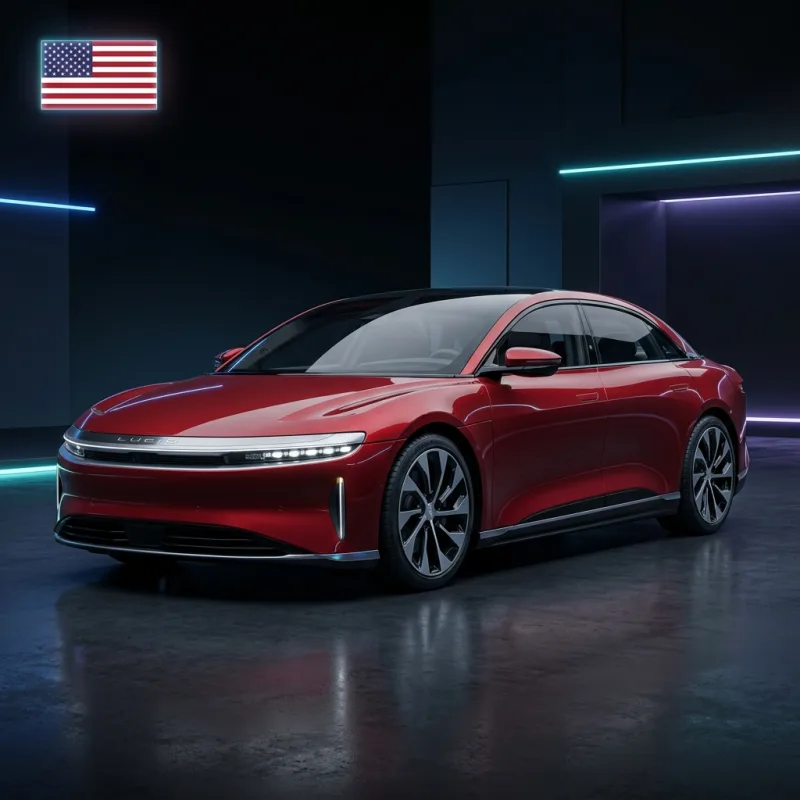
BMW i7 xDrive60 vs Air Grand Touring
See who wins →
Not sure which one is right for you?
Add these models to our interactive comparator and compare every spec side by side, or take the quiz to find even more matches.