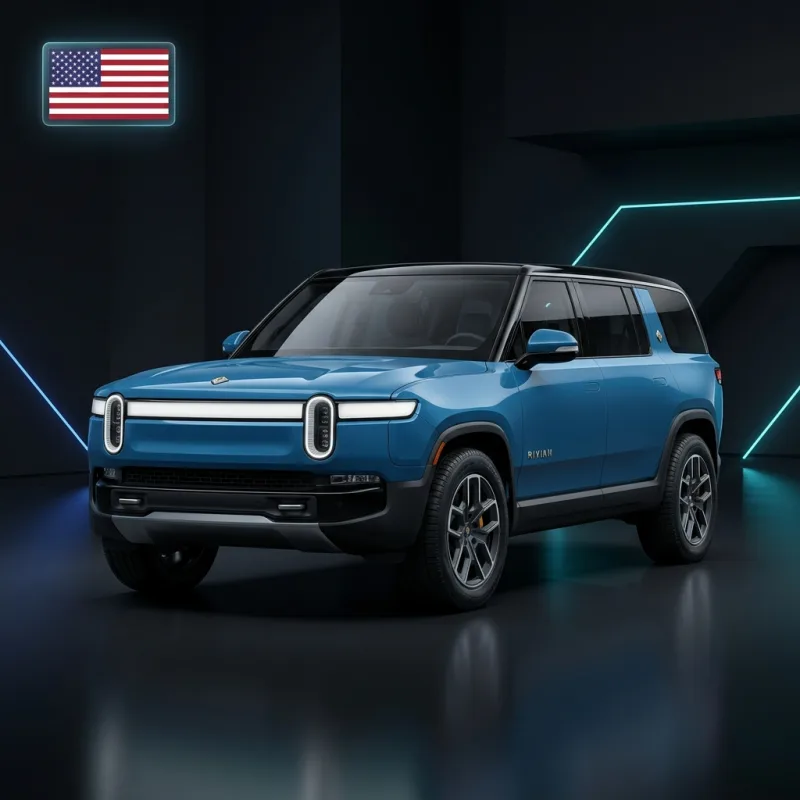

At a glance
Here is how the two models stack up on the specs that matter most.
| Specification | R1S | R1T |
|---|---|---|
| Range | 507 km | 566 km |
| Battery | 135 kWh | 135 kWh |
| Efficiency | 23.9 kWh/100km | 24.9 kWh/100km |
| 0-100 km/h | 3.1 s | 3.2 s |
| Fast charge 10-80% | ~40 min | ~40 min |
| Seats | 7 | 5 |
| Price | $78,000 | $70,000 |
| Rating | 4.6/5 | 4.6/5 |
| Estimated running cost / year | $538 | $560 |
The R1S wins 3 of 8 categories, making it our pick in this head-to-head.
Range & efficiency
The R1S is rated for 507 km of range versus 566 km for the R1T. That is a difference of about 59 km, which matters most if you do regular long trips.
The R1S consumes about 23.9 kWh per 100 km versus 24.9 kWh for the R1T - so the R1S is the cheaper and greener option per kilometre.
Performance
The R1S reaches 100 km/h in 3.1 seconds versus 3.2 for the R1T. R1S is the quicker car, though real-world feel also depends on power delivery and weight.
Charging
Fast charging from 10-80% takes about 40 minutes in the R1S and 40 minutes in the R1T. R1T spends less time at the plug on road trips.
Space & comfort
The R1S seats 7 and the R1T seats 5. Cargo volume is roughly 2945 L versus 1000 L.
Price & running costs
The R1S lists at $78,000 and the R1T at $70,000. At 15,000 km per year, estimated running costs are about $538/yr versus $560/yr.
Verdict
The R1S is our pick, taking 3 of 8 categories in this head-to-head. It leads on the lower consumption (23.9 kWh/100km vs 24.9 kWh/100km), the quicker 0-100 km/h (3.1 s vs 3.2 s) and the extra seating (7 vs 5). That said, the R1T is still the better buy if you are on a tighter budget (it is $8,000 cheaper), or you need the longer range (566 km vs 507 km).