GAC AION i60 vs Xiaomi SU7 Ultra: Which EV is better?
Head-to-head: GAC AION i60 vs Xiaomi SU7 Ultra. Compare real range, efficiency, charging time, price, rating and running costs to find the best electric vehicle for you in 2026.
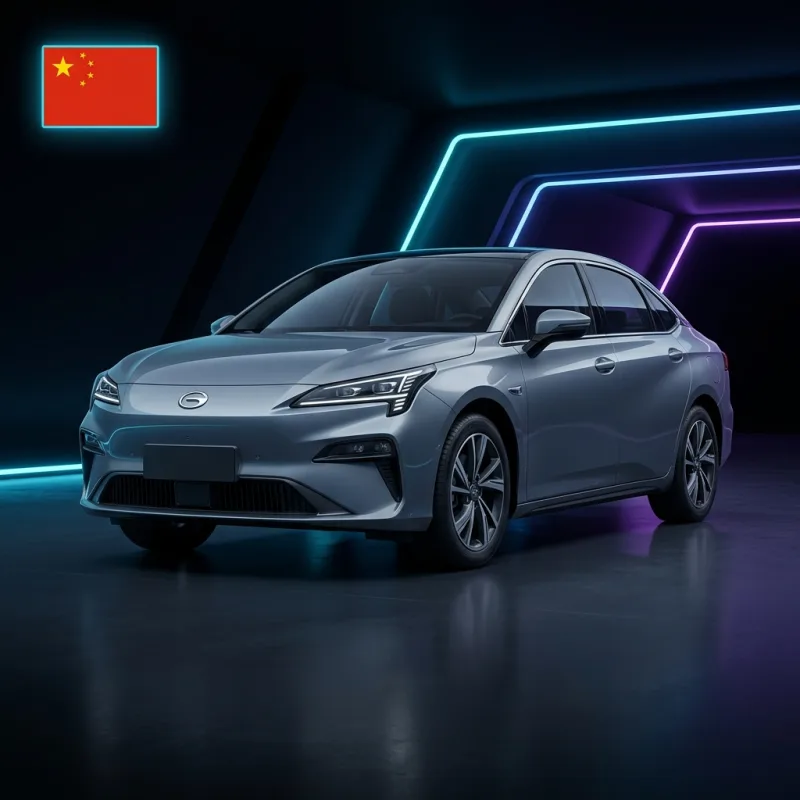

Our verdict
Xiaomi SU7 Ultra wins this head-to-head
It wins 4 of 8 categories compared below, with a margin of 1 category wins.
The numbers that matter
Real, comparable stats from our database. The green value wins each category.
| Specification | AION i60 | SU7 Ultra |
|---|---|---|
| Range SU7 Ultra wins | 500 km | 630 km |
| Battery SU7 Ultra wins | 69.9 kWh | 93.7 kWh |
| Efficiency AION i60 wins | 14 kWh/100km | 16.4 kWh/100km |
| 0-100 km/h SU7 Ultra wins | 7.9 s | 1.98 s |
| Fast charge 10-80% AION i60 wins | ~16 min | ~25 min |
| Seats tie | 5 | 5 |
| Price AION i60 wins | $28,990 | $82,400 |
| Rating SU7 Ultra wins | 4.2 / 5 | 4.8 / 5 |
| Est. running cost / yr | $315/yr | $369/yr |
View the full specification sheet
| Specification | AION i60 | SU7 Ultra |
|---|---|---|
| Battery | 69.9 kWh usable | 93.7 kWh |
| Range | 248 miles (EPA est.) / 500 km (CLTC) | 630 km (CLTC) |
| DC Fast Charging | 150 kW peak, 30-80% in 16 min | — |
| Motor | Single motor FWD | — |
| Power | 201 hp / 150 kW | Tri-motor AWD · 1,548 hp |
| Torque | 165 lb-ft / 225 Nm | — |
| 0-60 mph | 7.9 seconds | — |
| Top Speed | 99 mph / 160 km/h | — |
| Cargo | 17.2 cu ft / 487 liters | 480 L |
| Curb Weight | 3,858 lbs / 1,750 kg | — |
| Towing | Not rated | — |
| Warranty | 8 years / 100,000 miles battery, 5 years / 100,000 miles vehicle | — |
| Top speed | — | 350 km/h |
| 0-100 km/h | — | 1.98 s |
| Charging (10-80%) | — | ~25 min (800V) |
| Drive | — | Tri-motor AWD |
| Efficiency | — | 16.4 kWh/100 km |
| Seats | — | 5 |
GAC AION i60
Pros
- 310 miles of CLTC range for $28,990, which is $16,000 less than a Tesla Model Y Long Range
- 150 kW DC fast charging adds 124 miles in 10 minutes and goes 30-80% in 16 minutes
- 17.2 cu ft of trunk space beats the Kia Niro EV by 3.4 cu ft
- Standard 14.6-inch touchscreen with wireless Apple CarPlay and ADiGO 5.0
- 11 kW onboard charger refills the 69.9 kWh pack in 6.5 hours
Cons
- 7.9-second 0-60 mph is 1.4 seconds slower than a Tesla Model Y Long Range
- 248-mile EPA-estimated range trails the 310-mile Model Y by 62 miles
- No Euro NCAP or IIHS safety rating as of early 2026
- Top speed is limited to 99 mph, 36 mph less than a Model Y
- Rear legroom of 35.4 inches is 1.2 inches tighter than a Kia Niro EV
Xiaomi SU7 Ultra
Pros
- Ridiculous performance
- Track-ready hardware
- Practical cabin
- Very fast charging
Cons
- Very expensive
- Tri-motor drains power
- Young brand
- Tight rear headroom
Frequently asked questions
Is the Xiaomi SU7 Ultra really better than GAC AION i60?
Our verdict is based on real specs: range, battery, efficiency, acceleration, charging speed, seats, price and rating. The winner wins the majority of those categories, but the right choice depends on your budget, driving style and priorities.
Which has more range, GAC AION i60 or Xiaomi SU7 Ultra?
500 km vs 630 km respectively, before factoring in weather and driving conditions.
Which is cheaper to run?
Based on official efficiency and a typical $0.15/kWh tariff at 15,000 km per year, running costs are estimated at $315/yr for the GAC AION i60 and $369/yr for the Xiaomi SU7 Ultra.
Should I compare more models?
Yes - add both models to our interactive comparator to see every spec side by side, or use the Which EV quiz to find more models that fit your budget and lifestyle.
Worth comparing next
AION i60 vs U9
See who wins →

AION i60 vs Taycan
See who wins →

AION i60 vs Air Grand Touring
See who wins →
Not sure which one is right for you?
Add these models to our interactive comparator and compare every spec side by side, or take the quiz to find even more matches.