BMW i5 vs Yangwang U9: Which EV is better?
Head-to-head: BMW i5 vs Yangwang U9. Compare real range, efficiency, charging time, price, rating and running costs to find the best electric vehicle for you in 2026.
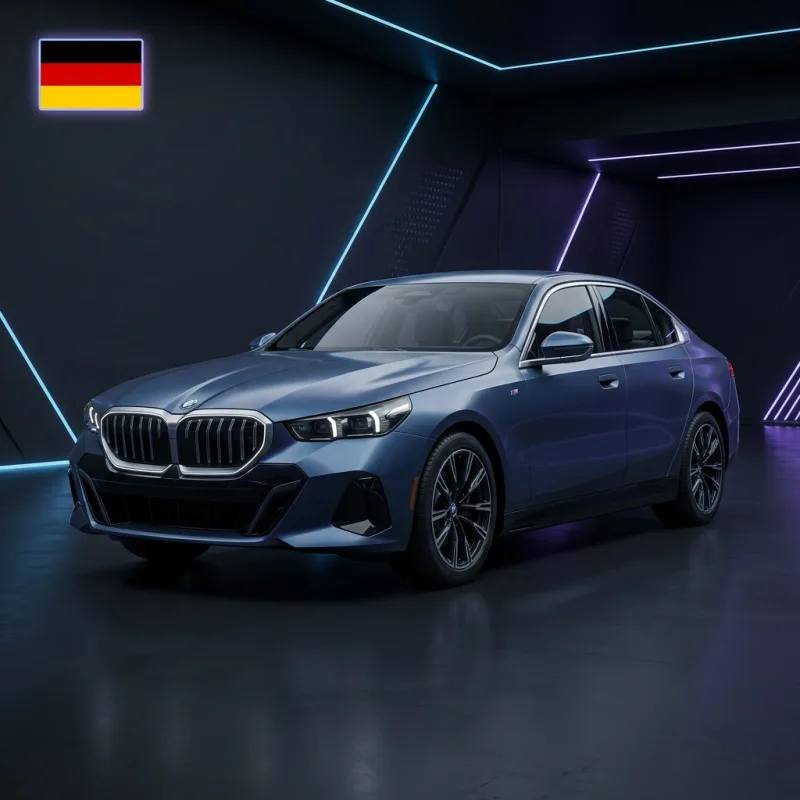
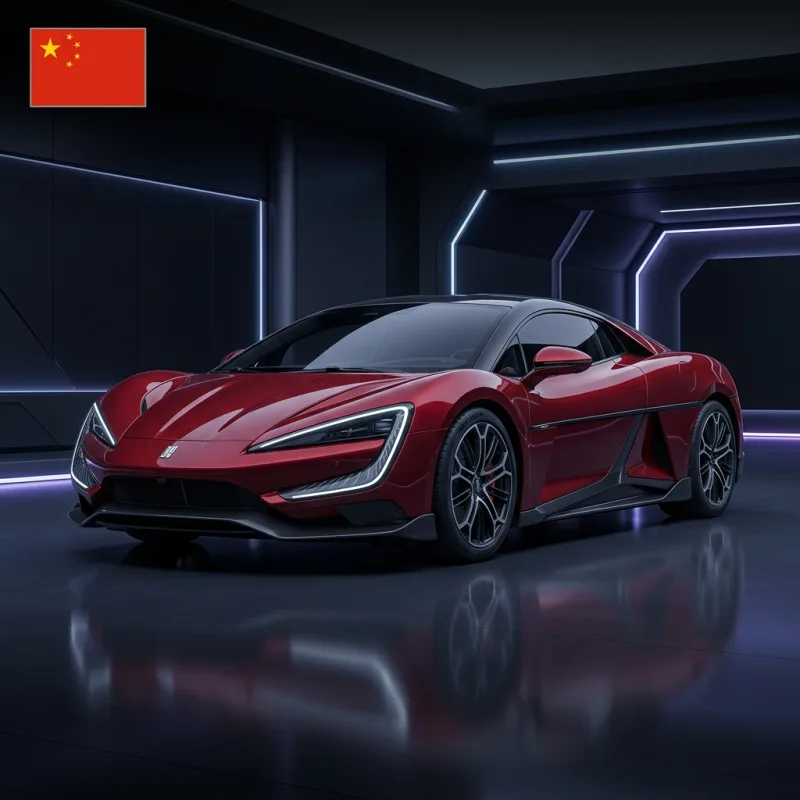
Our verdict
BMW i5 wins this head-to-head
It wins 5 of 8 categories compared below, with a margin of 2 category wins.
The numbers that matter
Real, comparable stats from our database. The green value wins each category.
| Specification | i5 | U9 |
|---|---|---|
| Range i5 wins | 580 km | 450 km |
| Battery i5 wins | 81.2 kWh | 80 kWh |
| Efficiency i5 wins | 17.2 kWh/100km | 18.7 kWh/100km |
| 0-100 km/h U9 wins | 6 s | 2.36 s |
| Fast charge 10-80% U9 wins | ~30 min | ~25 min |
| Seats i5 wins | 5 | 2 |
| Price i5 wins | $67,000 | $168,000 |
| Rating U9 wins | 4.4 / 5 | 4.8 / 5 |
| Est. running cost / yr | $387/yr | $421/yr |
View the full specification sheet
| Specification | i5 | U9 |
|---|---|---|
| Battery | 81.2 kWh | 80 kWh |
| Range | 580 km (WLTP) | 450 km (CLTC) |
| Top speed | 193 km/h | 309 km/h |
| Power | RWD · 335 hp | Quad-motor AWD · 1,305 hp |
| 0-100 km/h | 6.0 s | 2.36 s |
| Charging (10-80%) | ~30 min (205kW) | ~25 min |
| Drive | RWD | Quad-motor AWD |
| Efficiency | 17.2 kWh/100 km | 18.7 kWh/100 km |
| Seats | 5 | 2 |
| Cargo | 490 L | 100 L |
BMW i5
Pros
- Refined ride
- High-quality cabin
- Good range
- Strong charging speed
Cons
- Expensive
- Rear legroom tight for class
- Digital-only controls
- Base not the quickest
Yangwang U9
Pros
- Insane acceleration
- Four-wheel torque vectoring
- Supercar presence
- BYD build quality
Cons
- Very expensive
- Limited range
- Two seats only
- Brand unknown outside China
Frequently asked questions
Is the BMW i5 really better than Yangwang U9?
Our verdict is based on real specs: range, battery, efficiency, acceleration, charging speed, seats, price and rating. The winner wins the majority of those categories, but the right choice depends on your budget, driving style and priorities.
Which has more range, BMW i5 or Yangwang U9?
580 km vs 450 km respectively, before factoring in weather and driving conditions.
Which is cheaper to run?
Based on official efficiency and a typical $0.15/kWh tariff at 15,000 km per year, running costs are estimated at $387/yr for the BMW i5 and $421/yr for the Yangwang U9.
Should I compare more models?
Yes - add both models to our interactive comparator to see every spec side by side, or use the Which EV quiz to find more models that fit your budget and lifestyle.
Worth comparing next
Not sure which one is right for you?
Add these models to our interactive comparator and compare every spec side by side, or take the quiz to find even more matches.