The rain was coming down sideways, and I was standing in a puddle at 6:40 in the morning, holding a dead key fob over my head like a tiny plastic umbrella. My daughter was already late for school. I pressed the unlock button maybe fifteen times. Nothing. Then I remembered the little metal key hiding inside the fob, popped the cover off, and got the door open in about four seconds. That was the moment I started actually reading the manual for my cars instead of just Googling things when they broke.
I have owned four electric cars over the past seven years, plus a couple of gas cars before that. I am not a mechanic. I am the guy who once paid a shop $180 to replace a cabin air filter I could have bought for $15. So this list is not theory. It is a collection of features I have used, ignored, or discovered too late, and what each one saved me in real time and real money.
Why I started paying attention to the little stuff
My first EV had a feature that pre-conditioned the battery before fast charging. I did not know it existed for almost a year. I would roll up to a charger with a cold pack in January, plug in, and get maybe 30 kW instead of the 120 kW the car was supposedly capable of. I would sit there for 50 minutes watching other drivers leave. Once I started using the built-in route planner that warms the battery on the way, that same stop dropped to roughly 20 to 25 minutes in mild weather. Same car. Same charger. Different habit.
That gap between what a car can do and what I actually use is where most of my wasted money lives. So here are the features that closed it.
The defroster trick that saved my windshield and my morning
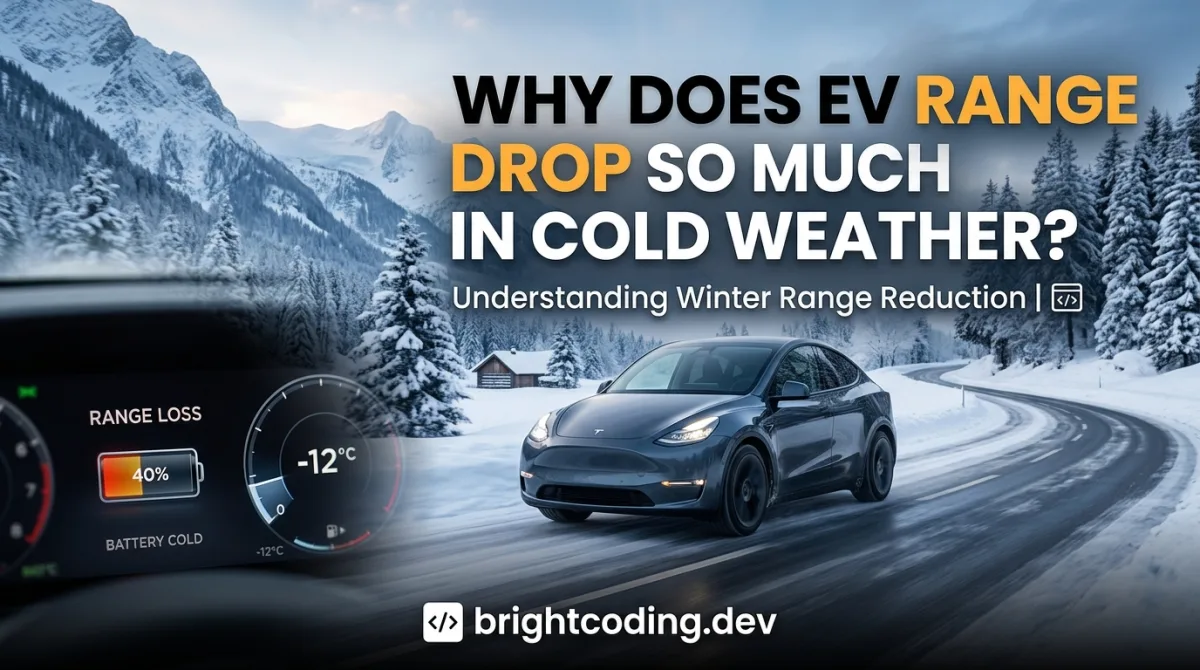
On a frosty morning in February, I used to scrape ice with a credit card and curse. Then I learned two things from the manual. First, many EVs let you schedule cabin pre-conditioning from the app while the car is still plugged in. That means the windshield is clear and the cabin is warm before you even walk outside, and it pulls power from the wall, not the battery. Second, the front defroster button usually also activates the heated mirrors and, on some models, the wiper de-icer strip at the base of the windshield.
I now set a departure time for 7:15 a.m. on school days. The car is ready. I have not scraped a windshield in three winters. If your car does not have scheduled pre-conditioning, you can often still trigger climate from the app 10 minutes before you leave. That alone is worth more than any floor mat package the dealer tries to sell you.
Regenerative braking: the feature that pays you back
When I bought my first EV, I turned regen braking to its lowest setting because it felt weird. Big mistake. On my normal commute of about 22 miles round trip with a lot of stop-and-go, running full one-pedal regen added roughly 8 to 12 percent to my usable range compared to the low setting, based on my own trip meter over a few weeks. Not a lab number. My number.
The trade-off is real: one-pedal driving takes a few days to feel natural, and passengers sometimes lurch until you smooth out your right foot. Also, in heavy rain or on loose gravel, full regen can feel less predictable, so I dial it back in bad weather. But for daily city driving, it is free range. You are literally recovering energy you would otherwise burn as heat in the brake pads.
If you want to compare how different models handle regen and efficiency, the head-to-head comparisons on this site lay it out side by side instead of making you dig through spec sheets.
Scheduled charging: the quietest money saver of all
I live on a time-of-use electricity plan. Off-peak rates start at 11 p.m. for me, and the difference between peak and off-peak is roughly double per kilowatt-hour. For a while I just plugged in when I got home at 6 p.m., which meant I was charging at the expensive rate without thinking about it.
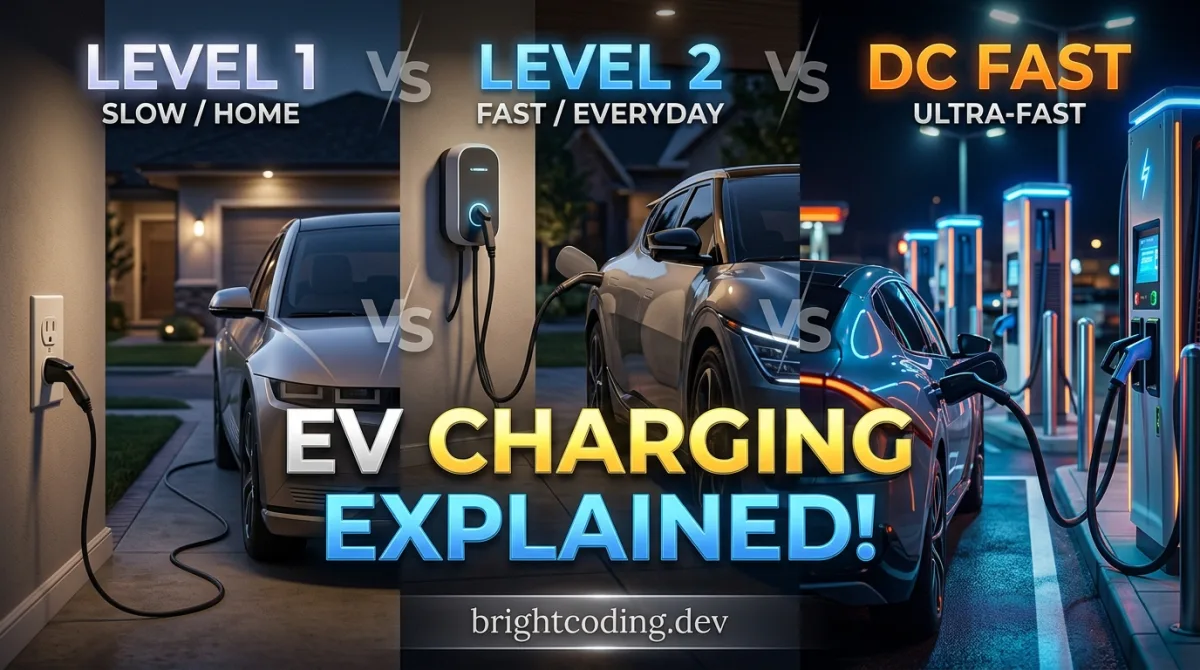
Now I set the car to start charging at 11:05 p.m. and stop by 6 a.m. My daily top-up is usually 8 to 12 kWh, which is a few dollars either way, but over a year that adds up to a couple hundred dollars I would rather keep. The catch: if you need the car early, you have to remember to override the schedule. I have forgotten twice and driven to work on a low battery. Not fun, but survivable.
If you want to estimate what your own commute actually costs, the free EV calculators on this site do the math for you in a couple of minutes.
The 12V battery lesson that cost me a tow
Here is the one that stung. My car would not start one morning. No lights, no screens. I assumed the big traction battery was dead, panicked, and called for a tow. The technician jumped the small 12V battery under the hood, and the car came back to life instantly. The traction pack was at 60 percent the whole time.
On most EVs, the 12V battery runs the computers, lights, and contactors that wake up the main pack. When it dies, the whole car plays dead. That is a low-voltage problem a careful owner can often handle with a jump pack or a trickle charger, following the manual's exact procedure. Anything involving the high-voltage traction battery, the orange cables, or the pack itself is a different story entirely. Do not touch that. That work requires a qualified technician, full stop.
I now keep a small lithium jump pack in the trunk. It has saved me once and saved a stranger in a parking garage once. Best $60 I have spent on car gear.
Honest pros and cons
Pros of leaning into these features:
- Pre-conditioning and scheduled charging cost nothing extra and save real money over a year.
- Regen braking genuinely extends range in city driving once you commit to it.
- Knowing the 12V system turns a panic into a five-minute fix.
Cons and real annoyances:
- App-based features depend on a working data connection, and mine has failed in parking garages more than once.
- Scheduled charging punishes forgetfulness. If your plans change, you have to override it manually.
- Some of these settings are buried three menus deep, and the manual is not always clear about which trim actually has them.
What it actually cost
| Item | Approximate cost | Notes |
|---|---|---|
| Pre-conditioning via app | $0 | Uses wall power when plugged in |
| Regen braking | $0 | Built into the car |
| Off-peak charging savings | Roughly $100-$300 per year | Depends on your rate and mileage |
| Lithium jump pack | Around $50-$100 | One-time purchase |
| Cabin air filter (DIY) | Roughly $15-$30 | Versus $100+ at a shop |
| Dealer "protection package" | Often $300-$800 | I have never needed it |
Prices vary a lot by region and model, so treat these as ballpark and check your own numbers.
What I would do differently
- I would read the manual's climate and charging chapters on day one instead of month eleven.
- I would set up scheduled charging before my first electric bill, not after.
- I would learn the 12V jump procedure and keep a jump pack from the start.
- I would test regen in an empty parking lot for an afternoon rather than deciding it felt weird and giving up.
- I would stop paying shops for jobs I can do in my driveway with a YouTube video and 20 minutes.
If something does go wrong and you are not sure whether it is a 12V issue or something bigger, the troubleshooting guides here walk through safe first checks before you call anyone.
Quick practical tips
- Find your car's pre-conditioning setting today. It is usually under climate or charging in the menu.
- Check your electricity plan for off-peak hours and match your charge schedule to them.
- Try full regen for one week before you decide you hate it.
- Keep a jump pack and a tire gauge in the trunk. Both cost little and save a lot.
- Never open or touch orange high-voltage cables. That is professional-only territory.
FAQ
Can I precondition my car if it is not plugged in? Usually yes, but it will draw from the battery instead of the wall, so you lose a little range. Plugged in is better when you can.
Is one-pedal driving bad for the brakes? The opposite, mostly. You use the friction brakes less, so pads last longer. Just brake firmly now and then to keep the rotors clean.
My car is completely dead. Is it the big battery? Often it is the 12V battery, not the traction pack. Check the manual for the jump procedure. If you are unsure or see any warning about the high-voltage system, stop and call a qualified technician.
I still keep that broken key fob in the glovebox as a reminder. It is useless now, but it taught me that the smartest feature in any car is the one you actually know how to use.
Ready to act on what you just read? Explorethe EV model directory, head-to-head EV comparisons or the free EV calculators and tools. The rest of this site is built to help you take the next step.